Microplastics are no longer something happening somewhere else in the world. They are already being found inside people. In blood. In lungs. In placentas. Even in brain tissue. One recent medical study showed that people with microplastics found inside their arteries had a significantly higher risk of heart attack and stroke. That is not something we can easily ignore.










Reducing Microplastics in Daily Life Without Changing Your Whole Lifestyle
At the same time, let’s be realistic. Plastic is already part of daily life in Indonesia. We drink from gallon water bottles. We get takeaway food. We buy packaged products. And, much of our infrastructure is built around plastic use. So, the goal is not to remove plastic completely. That would not be practical or fair to expect.
The real goal is simpler:
Reduce exposure in the moments where plastic becomes unstable, especially when there is heat. Friction. Wear and tear. And, repeated reuse.
Small adjustments can make a meaningful difference. And none of them require you to change your whole lifestyle.
What microplastics are and why they end up inside us
Microplastics are tiny fragments that form when plastic breaks down. That can happen through sunlight, abrasion, washing, heat, and time. These particles are small enough to be swallowed in water or food, or even inhaled in the air.
Scientists are still learning exactly what happens once they enter the body. But early findings suggest that microplastics may trigger inflammation and oxidative stress. These are processes linked to chronic disease. That does not mean panic. But it does mean awareness is reasonable.
And a lot of exposure comes from everyday household habits.
1. Treat your AQUA gallon properly
In Indonesia, gallon water is almost universal. The bottle itself is not automatically dangerous. The problem increases when plastic is heated, damaged, or too old. A few simple habits help:
- Keep gallon bottles out of the sun
- Do not store them in hot cars
- Avoid placing them near a stove or oven
- Replace bottles that look scratched or cloudy
- Clean water dispensers weekly
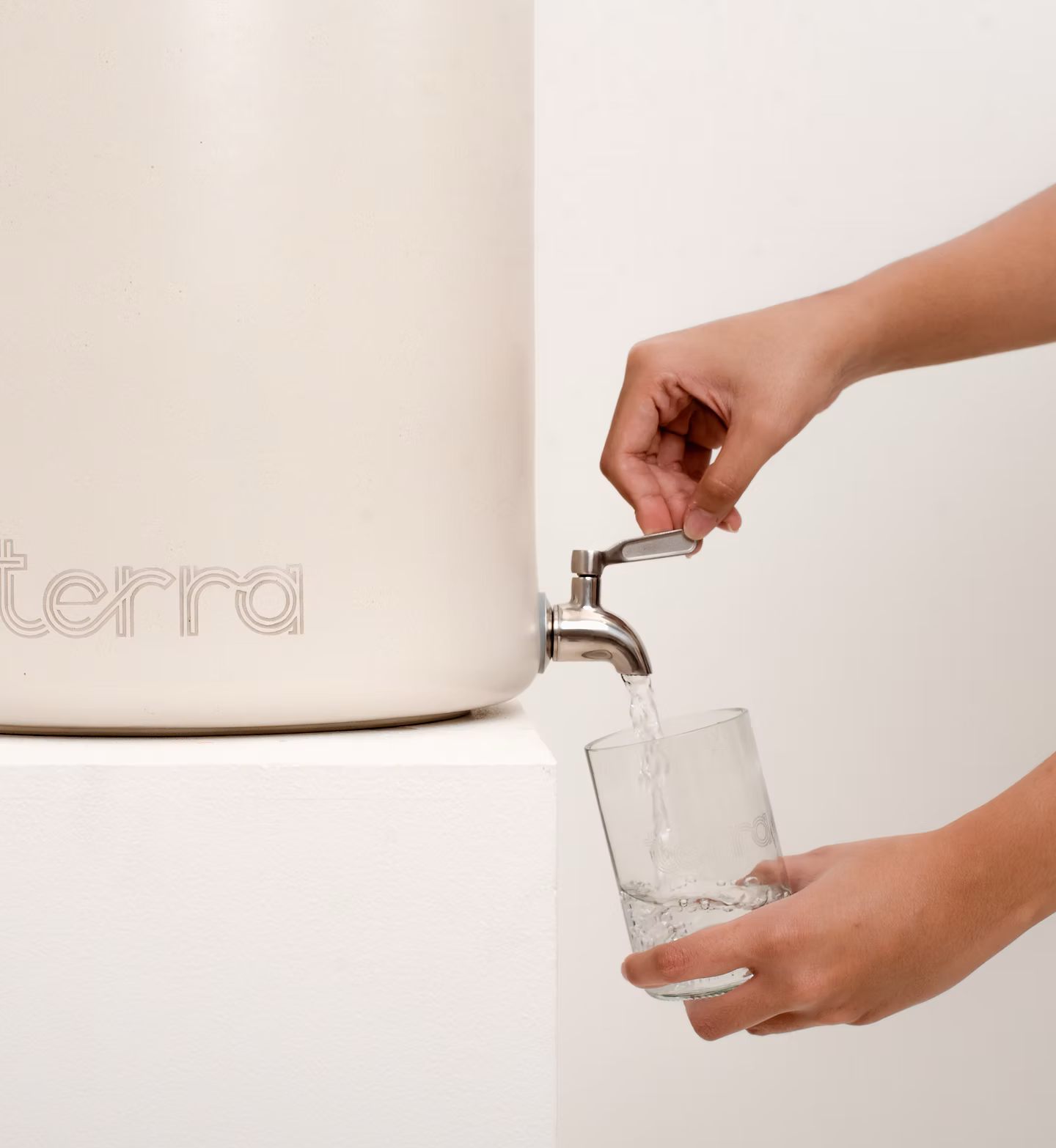
- Stainless steel or ceramic dispensers are better
- A basic carbon filter at home provides extra peace of mind
Cold gallon water into a glass is generally safe, while hot water sitting in worn plastic is much riskier. Heat is the key issue.
2. Avoid heating food in plastic
This is probably one of the biggest exposure points in daily life. Heating plastic increases the release of both microplastics and chemicals. So, avoid:
- Microwaving takeaway containers
- Pouring boiling soup into thin plastic bowls
- Filling ramen cups with boiling water
- Storing hot sambal in plastic tubes
- Leaving plastic lunch boxes in the sun
Use glass, ceramic, or stainless steel for hot food or drinks. If something is hot, keep plastic away from it.
3. Replace three high-shedding plastic items at home
Some plastic items shed particles more than others. These three changes go a long way.
Plastic cutting boards
Knife friction scrapes particles into food.
Switch to: bamboo, wood, or rubber boards.
Plastic scrub pads and scouring sponges
Friction plus wear creates microplastic dust.
Switch to: coconut fibre, loofah, cellulose, or stainless steel scrubbers.
Old plastic drinking bottles
Especially those reused for months.
Switch to: stainless steel or glass bottles.
Three simple swaps. Big impact over time.
4. Filter your water
Both bottled and tap water commonly contain microplastics.
A basic carbon filter already helps reduce exposure.
If possible, multi stage filtration is even better.
But the key idea is this: Something is better than nothing.
5. Avoid reusing thin plastic food containers long-term
Most of us reuse:
- Ice cream tubs
- Takeaway boxes
- Boba cups
It feels economical and sustainable. But, thin plastic scratches easily. And, scratched plastic sheds more. Better long term containers include:
- Glass jars
- Stainless steel tins
- Ceramic storage bowls
Reuse is still a good habit. Just choose materials that do not break down as easily.
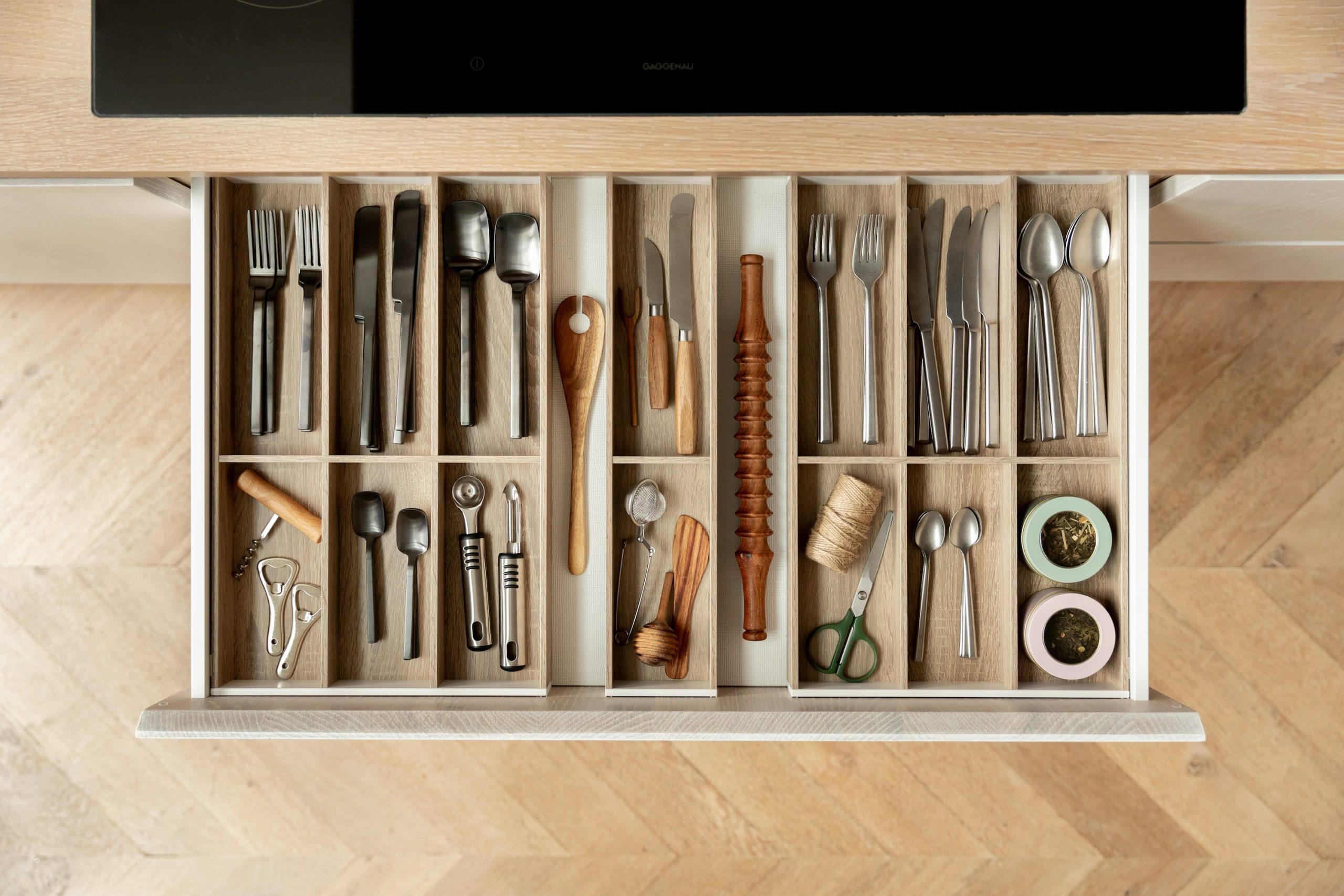
6. Avoid plastic utensils when cooking hot food
Cooking involves heat and oil. Both accelerate plastic breakdown. Swap:
- Plastic spatulas for stainless or silicone
- Plastic ladles for wood or stainless
- Disposable forks for your own metal fork
These utensils come into direct contact with food. So they are worth upgrading.
7. Skip plastic straws when possible
Plastic straws involve friction and direct mouth contact. Good alternatives include:
- No straw
- Stainless steel
- Bamboo
- Glass
A small change, but an easy one.
The four real risk factors
Plastic becomes riskier when exposed to:
- Heat
- Friction
- Time
- Repeated reuse
Reduce these four and you significantly reduce exposure. No extreme lifestyle change required. This approach is harm reduction. Not perfection.
Why this matters in Indonesia
Indonesia is one of the world’s biggest users of plastic packaged drinking water and takeaway food. We also face real challenges in plastic waste management. That means plastics cycle through our environment and eventually back into our bodies. Community initiatives like RefillMyBottle play an important role here. Reducing single use plastic is not only an environmental effort. It is also a long term public health investment.
Awareness is the first step. A balanced way forward.
There is still a lot the scientific community is learning. But, what we already know is enough to justify small, sensible changes.
Microplastics are already inside many of us. They trigger inflammatory responses. They are linked with elevated health risks. So, the calm response is not to panic. And also not to ignore it.
It is simply to adjust habits where it matters most. A simple checklist to start today:
- Store gallon bottles safely
- Never heat food in plastic
- Replace cutting boards, scrubbers, and other high-shedding plastic items.
Plastic is not disappearing from our lives tomorrow. And daily life in Indonesia should not have to become complicated or expensive in order to be healthier.
But, we can choose safer habits. We can reduce the most obvious risks. And, we can do it gradually and realistically. Because health builds up over time. If we do not reduce the risks now, they have a way of collecting interest later. And prevention is almost always easier than treatment.

Author
Daniel Franklin